Texas Holdem Set Mining: A Practical Walkthrough
When a player first lands on a site built around texas holdem set mining, the experience is less about flash and more about whether the layout actually matches the rhythm of a live card game. You open the lobby, scan the active tables, and decide whether the seat feels worth the buy-in before the first card is dealt. The whole flow should feel like a well-tuned product rather than a cluttered casino skin, because set mining only works when you can read position, pot size, and opponent behaviour without fighting the interface.
Reading the Lobby Before You Commit
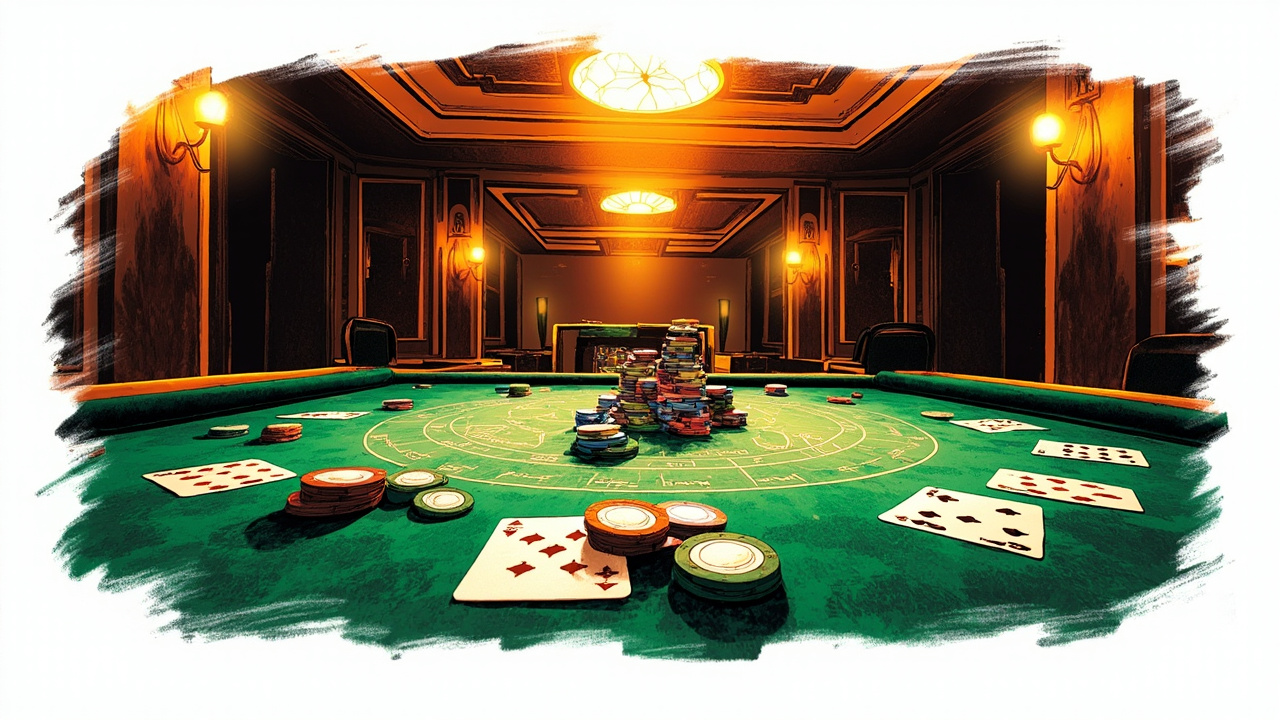
The first thing you notice is how the table list is organised. A clean site groups cash games, set-mining-friendly low-stakes tables, and scheduled tournaments into separate tabs, with blind levels, average stack depth, and seat availability visible in a single glance. Currency defaults to Australian dollars, and the conversion display sits quietly beside the buy-in field so you are never guessing whether a $2/$4 blind structure actually matches your bankroll. Search lets you filter by dealer speed, table size, and whether the room runs a rake cap that suits a patient, small-edge approach. If the lobby takes more than a couple of clicks to surface what you need, the product has already lost you before the flop.
| Feature | What to check | Why it matters |
|---|---|---|
| Table filter | Blind levels, average stack, seat count | Set mining relies on predictable, shallow stacks |
| Currency display | AUD default with clear conversion | Prevents misreading buy-ins and rake |
| Search speed | Fewer than three clicks to a target table | Keeps you focused instead of browsing |
A good lobby also respects the way Australians actually play at arvo sessions: quick to read, quick to join, and not dressed up like a theme park. You want the table name, the stakes, and a clear seat button, nothing more. When the navigation is tight, you can spot a set-mining opportunity without scrolling through unrelated high-roller rooms.
That same no-nonsense approach extends to the sign-up process, where you should be able to claim your best heaps o wins $100 no deposit bonus codes without wading through a maze of pop-ups or fine print. When the platform keeps the clutter to a minimum and lets you get straight to the action, you’re free to focus on reading the room and making your move. You can check out the current offers at best heaps o wins $100 no deposit bonus codes to see how a straightforward welcome deal fits right into that low-fuss Aussie style.
The Set-Mining Flow at the Table
Once you sit down, the real test is whether the table layout supports a disciplined, low-variance read. The dealer button, blind indicators, and pot size need to stay visible without crowding the cards, because set mining is all about tracking whether a raise is thin enough to call with a small pair. A player chasing a set needs to see the action unfold clearly: who raised, who called, and whether the board is dry enough to keep the hand cheap. If the interface hides previous action or muddles the bet sizing, you are guessing instead of mining.
The best rooms keep the action log compact and readable, with a small history panel that shows the last few streets without stealing focus from the current bet. Localisation matters here too – language, currency, and even the way blinds are labelled should feel familiar to an Australian player who is used to reading a room quickly. Mobile play should not shrink the table into an unreadable mess; a sensible product keeps the same core information on a phone screen, just rearranged so the pot and action buttons stay within thumb reach.
When you are waiting for a set, patience is the whole game. You are not chasing every flop, and you are not pretending a small pair is a monster. You are looking for a specific situation: a raise that is too small relative to the pot, a opponent who overplays top pair, and a board that leaves room for a hidden three of a kind. If the product lets you see that situation without clutter, the strategy has a chance to work.
Payments, Registration, and Everyday Usability
Registration should be straightforward without skipping the checks that keep a room operating properly. You enter the core details, verify identity through the normal process, and then move into deposits and withdrawals with a clear fee schedule. A product built for set mining should support AUD payments, show processing times plainly, and avoid burying limits in fine print. The best heaps o wins $100 no deposit bonus codes are one thing, but a room that actually serves a patient card player needs transparent terms on top of any promotion. You want to know exactly what a bonus covers, what it excludes, and whether it changes the way a set-mining hand is valued.
Support should be reachable without a scavenger hunt. A visible help path, a sensible FAQ, and a response time that matches the pace of a live table are more useful than a glossy loyalty banner. Loyalty programs can be fine, but they should not distract from the core loop of finding a table, reading the action, and playing disciplined hands.
“A set-mining product has to keep the edge visible, not hidden behind promotional noise,” Ruby White, Head of Product, Murray River Gaming Research, says. “If the table information is clean and the bonus terms are readable, a patient player can actually use the strategy instead of fighting the room.”
“Analytics only matter if the data matches what the player sees at the table,” Blake Davies, Product Analytics Lead, Southern Cross Gaming Advisory, adds. “When bet sizing, pot size, and action history line up, a small-edge approach becomes usable. When they do not, the product is just noise.”
What a Good Room Looks Like in Practice
A practical room for texas holdem set mining does not need to be loud. It needs to be legible. The table loads quickly, the blinds are clear, the pot stays visible, and the action history does not disappear after a raise. You can filter for the kind of low-stakes, shallow-stack environment where set mining makes sense, and the mobile view keeps the essentials in reach without turning the screen into a puzzle. When the product respects that workflow, the strategy has room to breathe.
A short list of things worth checking before you stay at a table:
- Blind structure and average stack depth
- Rake cap and any table fees
- Clarity of previous action and pot size
- AUD display and payment timing
- Mobile readability for the same table
Set mining is a patient approach, and it works best when the room is built for clarity rather than spectacle. If the interface helps you read position, bet sizing, and board texture without effort, you can focus on the actual decision instead of the screen. If it does not, no amount of promotion will make the strategy feel natural.